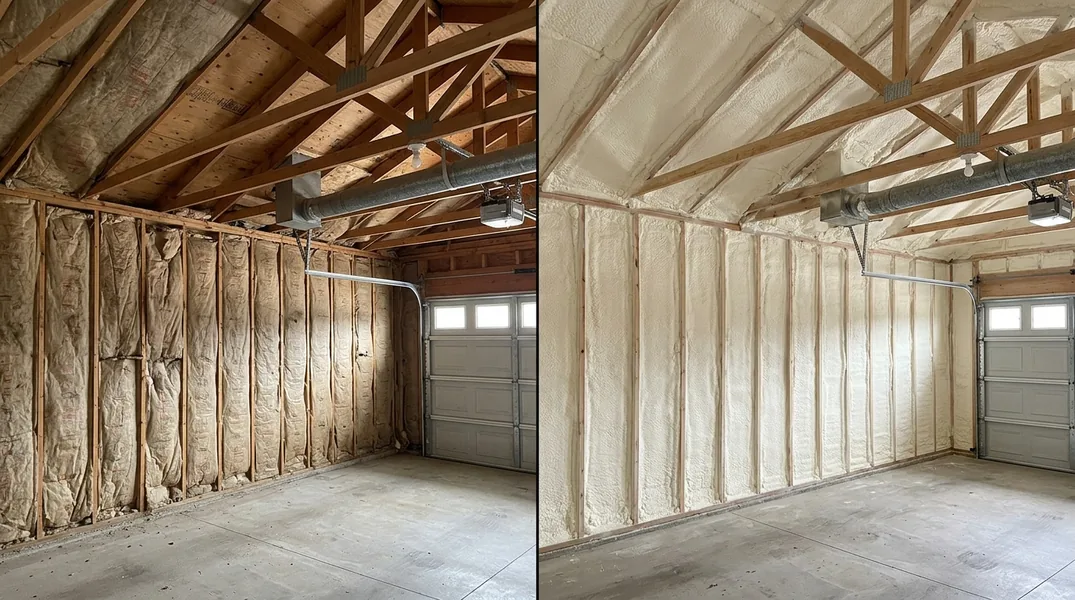
Understanding Fort Collins' Zone 5B Climate and Insulation Demands
Fort Collins sits in USDA Hardiness Zone 5B, a region characterized by cold winters, low humidity, and significant temperature swings between seasons. Most homeowners focus on their attics and walls, but they often overlook one of the most vulnerable areas of their homes: the crawl space. This often-neglected zone is where energy loss compounds quickly, and where the unique climate challenges of northern Colorado demand specialized solutions.
The low humidity that defines our region actually changes the insulation game entirely. Unlike humid climates where moisture management is the primary concern, Fort Collins homeowners face a different challenge: thermal bridging, air infiltration, and the rapid temperature transfer that occurs through traditional fiberglass or cellulose insulation. When outdoor temperatures plummet below freezing, uninsulated or poorly insulated crawl spaces become thermal highways, pulling warmth directly from your living spaces above. Understanding this dynamic is the first step toward making smarter insulation choices for your home.
Why Crawl Space Insulation Matters More Than You Think
Many homeowners don't realize that their crawl spaces account for a significant portion of their home's total heat loss. If your Fort Collins home sits on a pier and beam foundation or has an exposed crawl space, you're dealing with an area that's directly exposed to outdoor air, ground moisture, and temperature extremes. Cold floors in winter are often the first sign that your crawl space insulation is failing. That uncomfortable chill that radiates up through your hardwood or tile floors isn't just an inconvenience, it's evidence that energy is escaping and your heating system is working overtime.
Traditional insulation methods like fiberglass batts or blown-in cellulose struggle in crawl spaces for several reasons. They absorb moisture over time, they settle and compress, leaving gaps, and they don't create an air seal. In a low-humidity climate like ours, you might think moisture isn't a problem, but the temperature differential between your heated home and the cold crawl space creates condensation cycles that can damage traditional insulation. This is why crawl space spray foam has become the preferred solution for homeowners serious about energy efficiency.
Closed Cell Spray Foam: The Gold Standard for Crawl Space Insulation
Closed Cell Spray Foam Insulation is engineered for exactly the conditions you face in a Zone 5B crawl space. This dense, rigid foam creates a continuous air barrier that eliminates the gaps and compression issues plaguing traditional insulation. When applied to crawl space walls and rim joists, closed cell foam delivers an R-value of approximately 6.0 to 6.5 per inch, meaning you need less material to achieve superior thermal performance. More importantly, it creates a vapor barrier as part of the installation, addressing both air infiltration and moisture concerns simultaneously.
The best insulation for crawl space applications is one that performs consistently year-round, and closed cell spray foam does exactly that. Unlike fiberglass, which degrades in performance as air moves through it, spray foam maintains its thermal resistance regardless of air movement. In the winter months when Fort Collins experiences subzero temperatures, this consistency means your home stays warmer with less strain on your HVAC system. In summer, when the temperature differential reverses, the foam still provides the same level of protection. Homeowners typically report feeling warmer floors within days of having their crawl spaces properly sealed and insulated with spray foam.
Pier and Beam Insulation: A Specialized Challenge Requiring Professional Expertise
Homes built on pier and beam foundations are particularly common in certain Fort Collins neighborhoods, and they present unique insulation challenges. The exposed space beneath these homes is essentially a second exterior wall, fully exposed to outdoor air and temperature swings. Crawl space spray foam application on pier and beam homes requires careful planning, proper ventilation considerations, and an understanding of local building codes. This is definitely not a DIY project, and it's not something every contractor can do correctly.
The key to successful pier and beam insulation is addressing the rim joists, the band boards, and the floor joists themselves. These wooden structural elements are natural thermal bridges, conducting cold from outside directly into your living space. When spray foam is applied properly to these areas, it creates a continuous thermal envelope that dramatically reduces heat loss. The process involves sealing all air leaks first, then applying the appropriate thickness of foam to achieve your target R-value. Many homeowners are surprised to learn that their cold floors are solved not by insulating the crawl space floor itself, but by insulating the perimeter walls and rim joists above. If you're dealing with cold floors and a pier and beam foundation, reaching out for a free estimate is the best first step toward understanding your options.
Open Cell vs. Closed Cell: Making the Right Choice for Your Crawl Space
While Closed Cell Spray Foam Insulation is generally the preferred choice for crawl spaces, some homeowners wonder about Open Cell Spray Foam Insulation as a more budget-friendly alternative. Open cell foam is lighter, less dense, and costs less to install. However, it offers a lower R-value per inch (around 3.5 to 3.6) and is more permeable to moisture. In a crawl space environment where you're trying to create a thermal and moisture barrier, open cell foam falls short of the performance standards that Zone 5B homeowners should expect.
The choice between these two options ultimately comes down to your goals and budget. If your primary concern is achieving maximum thermal resistance and creating a complete moisture barrier in your crawl space, closed cell is the clear winner. If you're working with significant budget constraints and your crawl space has excellent drainage and ventilation, open cell might be acceptable as a temporary solution. However, most professionals in the insulation industry recommend closed cell for crawl spaces because the long-term energy savings and performance benefits justify the higher upfront investment. When you factor in the improved comfort, reduced heating costs, and the fact that spray foam can last 80+ years, the value proposition becomes even stronger.
Getting Started: Crawl Space Insulation Near Me and Next Steps
If you're a homeowner in Fort Collins dealing with cold floors, high heating bills, or simply concerned about energy efficiency, the best first step is scheduling a professional evaluation of your crawl space. Fort Collins Spray Foam Insulation specializes in residential insulation projects throughout the area, including Loveland, Windsor, and Timnath. A qualified technician can assess your crawl space, identify air leaks and thermal weak points, and recommend the most cost-effective solution for your specific situation.
The pricing for crawl space insulation projects varies based on the size of your space, the type of foundation you have, and the R-value you're targeting. Rather than guessing or comparing generic quotes online, get a customized assessment from professionals who understand Zone 5B conditions. Call Fort Collins Spray Foam Insulation at (970) 672-0707 today or visit our website to request a free estimate. The investment in proper crawl space insulation pays for itself through energy savings, improved comfort, and the peace of mind that comes with knowing your home is properly protected against our region's harsh winters.
Looking for a professional spray foam insulation contractor in Fort Collins? Fort Collins Spray Foam Insulation responds fast for all your spray foam insulation needs.
Get a Free Quote