Is Spray Foam Insulation Worth It for Fort Collins Homes?
Homeowners in Fort Collins often ask whether spray foam insulation justifies the investment, especially in neighborhoods near Alta Vista and CSU where older homes struggle with drafts and energy loss. The short answer is yes, but understanding the full picture helps you make an informed decision for your specific situation.
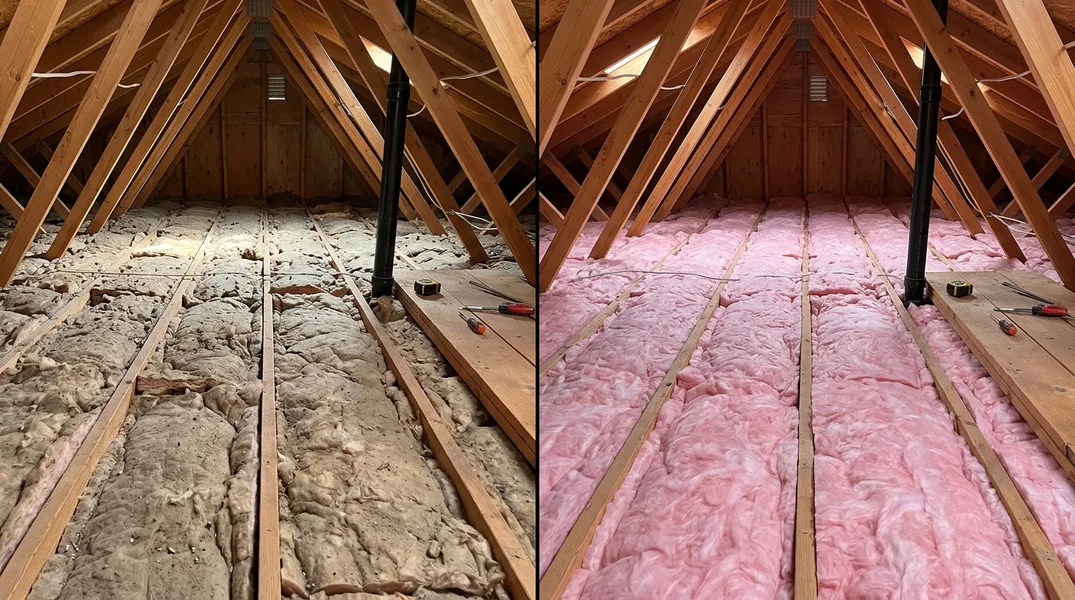
Attic Spray Foam Insulation delivers measurable returns through reduced heating and cooling costs, improved comfort, and enhanced home value. Fort Collins experiences significant temperature swings between seasons, with winters dropping well below freezing and summers pushing into the 80s and 90s. Spray foam's superior air-sealing properties mean your HVAC system works less hard to maintain consistent indoor temperatures, translating directly to lower utility bills. Many homeowners report energy savings of 15 to 30 percent within the first year after installation, which can offset the upfront investment over time.
Beyond energy efficiency, spray foam provides structural benefits and moisture control that traditional insulation cannot match. It expands to fill every cavity, crack, and gap, creating a complete thermal envelope that prevents air infiltration and reduces condensation problems common in Colorado's dry climate. For homes in Fort Collins built before the 1990s, this comprehensive sealing often reveals hidden problems like air leaks around electrical outlets, plumbing penetrations, and rim joists that standard fiberglass batts simply cannot address.
Is Spray Foam Insulation Safe? Understanding Off-Gassing and Health Concerns
Safety is a legitimate concern for any homeowner considering spray foam, and it deserves a straightforward answer. When installed correctly by trained professionals, spray foam insulation is safe for occupants. However, the installation process itself involves chemical reactions and temporary off-gassing that require proper precautions during and immediately after application.
Spray foam off-gassing occurs when isocyanates and polyols mix and cure. The chemical smell and potential respiratory irritation during installation is why professionals recommend vacating the home for 24 to 48 hours after application, keeping windows open, and allowing adequate ventilation. Once fully cured, typically within 24 to 72 hours depending on the product and environmental conditions, spray foam becomes inert and poses no ongoing health risks. The off-gassing period is temporary and manageable with proper planning and professional installation protocols.
Closed Cell Spray Foam Insulation and Open Cell Spray Foam Insulation have different safety profiles. Closed cell foam, with its denser structure, creates a more complete vapor barrier and cures faster, reducing off-gassing duration. Open cell foam, while lower density, also cures completely and is considered safe once hardened. Both products must meet EPA and industry standards for emissions. The key to safety is choosing a insured contractor who follows manufacturer guidelines, uses proper protective equipment, and ensures adequate ventilation during installation. If you have respiratory sensitivities or health concerns, discuss them with your contractor before scheduling work.
Spray Foam Insulation Problems: Common Issues and How to Avoid Them
Like any building material, spray foam can present challenges if not installed properly or if homeowners don't understand its limitations. The most common spray foam insulation problems stem from improper application, inadequate ventilation planning, and unrealistic expectations about performance.
Over-application is a frequent mistake that leads to uneven expansion and poor adhesion. Spray foam expands significantly, and applying too much can cause it to push out of cavities, shrink unevenly as it cures, or even damage framing if expansion pressure becomes excessive. Conversely, under-application leaves gaps and voids that defeat the purpose of air sealing. Professional installers use calibrated equipment and understand the exact amount needed for each cavity type and climate zone. Poor installation can also result in foam that doesn't fully cure or develops cracks over time, reducing its insulating value and air-sealing effectiveness.
Another concern involves moisture management. While spray foam resists water absorption, improper installation can trap moisture within walls, leading to mold growth and wood rot. This is why selecting the right foam type matters. Closed Cell Spray Foam Insulation works better in areas prone to moisture, whereas open cell foam is more breathable and suitable for interior applications where vapor permeability is desired. Additionally, spray foam should never be installed over wet surfaces or in high-humidity conditions without proper drying time. Hiring experienced professionals who understand Fort Collins' climate and local building codes eliminates most installation-related problems before they start.
Spray Foam Insulation Pros and Cons: A Balanced Overview
Understanding the full spectrum of advantages and disadvantages helps homeowners decide whether spray foam suits their needs and budget. The benefits are substantial, but there are legitimate trade-offs to consider.
The primary advantages include superior air sealing (spray foam fills gaps as small as one-eighth inch), excellent R-value per inch of thickness, moisture resistance, and long-term durability that exceeds traditional insulation by decades. Spray foam also provides structural reinforcement and can reduce noise transmission, making it valuable for homes near busy roads or in multi-story buildings. Energy savings are typically the most compelling benefit, especially in older Fort Collins homes where air leaks account for significant heating and cooling losses. Additionally, spray foam doesn't settle or compress over time like fiberglass, maintaining its performance indefinitely.
On the downside, spray foam carries higher upfront costs than fiberglass or cellulose insulation, typically ranging from $1.50 to $3.00 per board foot for closed cell applications. Once cured, spray foam is difficult and expensive to remove if future renovations require access to walls or attics. It can also be sensitive to UV exposure, which is why exterior applications require protective coating. Some homeowners object to the chemical odor during curing, and certain foam products may have higher VOC (volatile organic compound) emissions than others, though EPA-compliant products are safe when installed correctly. Finally, spray foam requires professional installation, eliminating the DIY option and adding labor costs that homeowners must factor into their budget.
Air Sealing Near Alta Vista and CSU: When Professional Spray Foam Makes the Difference
Neighborhoods near Alta Vista and Colorado State University in Fort Collins feature a mix of older student housing, established residential areas, and properties dating back several decades. These homes are particularly vulnerable to drafts and energy inefficiency due to aging construction methods, settling foundations, and years of weather exposure on Colorado's Front Range. Spray foam insulation addresses these specific challenges in ways that standard insulation cannot.
Older homes in this area often have rim joists, band boards, and basement rim areas that are either uninsulated or poorly sealed. These are major sources of air leakage and heat loss, especially during Fort Collins' cold winters. Wall & Injection Foam Insulation can be injected into existing cavities without removing siding or drywall, making it ideal for retrofitting older properties. Attic spaces in pre-1990s homes frequently contain gaps around ductwork, electrical penetrations, and roof penetrations where warm air escapes in winter and hot air enters in summer. Professional air sealing with spray foam creates a continuous thermal barrier that reduces HVAC strain and improves indoor comfort year-round.
If you live in or near Alta Vista or the CSU area and notice drafts, uneven room temperatures, or unexpectedly high utility bills, spray foam insulation may be the solution you need. Fort Collins Spray Foam Insulation specializes in diagnosing and sealing these problem areas. Contact us at (970) 672-0707 or request a free estimate to evaluate your home's specific needs and learn how much you could save.
Spray Foam Insulation Cost in Fort Collins: What to Budget
Cost is often the primary factor in deciding whether to move forward with spray foam insulation. Understanding what drives pricing helps you evaluate quotes fairly and plan your budget realistically. Spray foam pricing depends on several variables including the type of foam (closed cell versus open cell), the area being insulated (attic, basement, walls), accessibility, and the R-value target for your climate zone.
Closed cell spray foam typically costs $1.50 to $3.00 per board foot installed, while open cell foam ranges from $0.50 to $1.50 per board foot. For a typical Fort Collins attic of 1,500 square feet at 6 inches of closed cell foam, you might budget $3,000 to $6,000 depending on complexity and contractor rates. Open cell applications in the same space could range from $1,000 to $3,000. Wall and injection foam projects for existing homes are often priced per cavity or per linear foot, typically ranging from $1 to $3 per linear foot for rim joist sealing. While these figures represent a larger upfront investment than fiberglass batts or blown cellulose, the long-term energy savings and durability justify the expense for most homeowners.
Several factors can increase or decrease your final cost. Difficult attic access, extensive air sealing requirements, and custom applications raise labor time and materials. Conversely, simple, open attic spaces with minimal obstacles may qualify for volume discounts. Many homeowners find that energy rebates from local utilities or state programs offset a portion of the cost. Fort Collins Spray Foam Insulation can discuss available incentives and financing options during your consultation. To get an accurate estimate tailored to your home and goals, call (970) 672-0707 or schedule your free estimate today.
Looking for a professional spray foam insulation contractor in Fort Collins? Fort Collins Spray Foam Insulation responds fast for all your spray foam insulation needs.
Get a Free Quote